In short
Home insurance in Croatia costs ca. 150 to 500 euros a year for a typical holiday house with buildings and contents cover, and correspondingly more with earthquake cover. The main cost drivers are sum insured, location, construction, use and deductible. All figures are non-binding indicative values (as of 2026); only a concrete quote is binding.
Key takeaways
- Basic buildings and contents cover for a typical house costs ca. 150 to 500 euros a year (indicative, as of 2026).
- Earthquake is an extra peril and can raise the premium considerably in high-risk regions.
- Buildings insurance should be based on rebuild value, not on the purchase price.
- Letting and long vacancies change the premium and must be disclosed to the insurer.
- A higher deductible and good security lower costs without weakening protection against major losses.
How much does home insurance in Croatia cost?
For a typical house in Croatia, home insurance with buildings and contents cover costs ca. 150 to 500 euros a year. With earthquake cover, liability and other add-ons, the premium for larger properties can be considerably higher.
These are non-binding indicative figures (as of 2026) and are meant only as a guide. Croatian insurers price very individually, and the differences between offers are large. The overview shows typical ranges for three example properties:
| Example property | Basic buildings and contents cover | With earthquake (extra peril) |
|---|---|---|
| 70 m² flat, new build, coastal town | ca. 100 to 250 euros/year | ca. 150 to 400 euros/year |
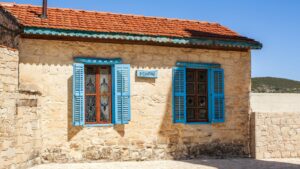
| 120 m² stone house, Istria | ca. 200 to 450 euros/year | ca. 300 to 700 euros/year |
| 200 m² villa with pool, Dalmatia | ca. 400 to 900 euros/year | ca. 650 to 1,500 euros/year |
The ranges are deliberately wide, because sum insured, furnishings, deductible and seismic zone vary a great deal. You will only get reliable figures for your own property from concrete quotes, ideally from several insurers.
What drives the premium?
The premium for home insurance in Croatia depends above all on the sum insured, meaning the value the insurer must replace after a loss. Location, construction, use and the covers you choose come next.
- Sum insured: the higher the rebuild value and the value of your contents, the higher the premium.
- Location: seismic zone, proximity to the sea or a river and burglary risk affect the price.
- Construction and age: reinforced concrete is cheaper to insure than an old stone house with timber floors.
- Use: permanent residence, a holiday home that stands empty or holiday letting are rated differently.
- Deductible: a higher excess lowers the premium.
- Security: alarm systems, security doors and smoke detectors can earn discounts.
- Policy term: multi-year contracts are cheaper with some insurers.
Pay particular attention to the right sum insured. If it is too low, you risk underinsurance and the insurer reduces the payment proportionally. For the building, use the rebuild value, not the purchase price, which also includes land and location.
A simplified example: a 120 m² house with assumed construction costs of 1,800 euros per square metre has a rebuild value of around 216,000 euros, even if it was bought for 450,000 euros because of its sea view. It is the rebuild value, plus outbuildings and outdoor features, that should be insured. Use the purchase price and you pay too much premium; insure only half the rebuild value and you may receive only half after a loss.
House insurance in Croatia: what does buildings cover include?
Buildings insurance in Croatia protects the structure: walls, roof, floors, fixed installations, heating, air conditioning and sanitary fittings. Depending on the policy, outbuildings, garages, walls and the pool are included too.
Basic cover usually includes fire, lightning, explosion, storm, hail and escape of water. Glass breakage, power surge damage and rain entering after storm damage are often available as extensions. Earthquake, flood and landslide are generally agreed separately.
Ask whether claims are settled at new-for-old or actual cash value. With new-for-old cover you receive the cost of restoring the property to the same type and quality; with actual value, a deduction is made for age. For older houses this makes a big difference after a loss.
Contents insurance in Croatia: when is it worth it?
Contents insurance in Croatia is worth it as soon as the house is furnished and the furnishings are worth more than you could easily replace yourself. That applies to most holiday homes and to all let properties.
Furniture, appliances, kitchen equipment, textiles and personal belongings are covered against the same perils as the building, plus burglary and vandalism. In unoccupied holiday homes, valuables, jewellery and cash are often subject to low limits or excluded.
Contents cover is usually moderately priced compared with the building, because the sums insured are much lower. Croatian insurers often offer house-and-contents packages (osiguranje kuće i kućanstva), which makes managing the policy simpler.
Flat in an apartment building: what does the building policy cover?
For a flat in an apartment block, the building is often insured through the co-owners and the building manager, but frequently only against fire and for low sums. Your own flat, interior fittings, contents and liability are usually not adequately covered by it.
Ask the manager for the existing building policy and check which perils and sums it includes. Earthquake cover for the common parts of the building can only be arranged by the co-owners, as the Croatian Insurance Bureau (HUO) stressed after the Zagreb quake. For your own flat, a cheaper package of contents, interior fittings and liability is then often enough to close the gaps.
Which add-ons raise the cost most?
The biggest cost drivers are earthquake, flood and cover for letting. Yet these are exactly the covers that make the difference after a major loss.
Earthquake is particularly important in Croatia: in the 2020 Zagreb and Petrinja quakes, only about 0.5% of damaged buildings were insured, according to HUO. The earthquake premium depends heavily on the zone and the deductible. Read more in our guide to earthquake insurance in Croatia.
Other add-ons include property owner’s liability, burglary, glass breakage, cover for solar panels, pool equipment and, if you let, loss of rent. Check whether each one suits your house and how you use it, rather than including everything by default.
Practical tip: For every quote, ask for the premium with two different deductibles, for example with no excess and with a higher excess for earthquake. You will see in black and white how much you save and what risk you carry yourself in return.
How can you save without creating gaps?
You save most with a suitable deductible, a correct sum insured and a genuine comparison of several quotes. Saving in the wrong place, such as leaving out earthquake in a high-risk region, can threaten your finances if the worst happens.
- Check the sum insured against rebuild value, neither too high nor too low
- Choose a deductible that lets you absorb smaller losses yourself
- Declare security such as alarms or smoke detectors
- Disclose use correctly (residence, holiday home, letting)
- Combine buildings and contents in one package
- Compare quotes from several insurers for identical cover
- Review sums and covers every few years
For a meaningful quote, have these details ready: exact address, year and type of construction, floor area and number of storeys, outbuildings and pool, type of use, existing security and any previous claims. Which covers a holiday home needs in particular is explained in our guide to holiday home insurance in Croatia. Since 2005, Yacht & Auto d.o.o. has compared offers from leading insurers in Croatia, explains the differences in English and remains your contact if you need to claim. If you would like your home insurance reviewed, you can book a personal consultation.
Get comparable quotes for your home insurance in Croatia.
Property insurance in CroatiaFrequently asked questions
How much is house insurance in Croatia per year?
For a typical house, basic buildings and contents cover costs ca. 150 to 500 euros a year (non-binding guide, as of 2026). Larger properties, pools and earthquake cover increase the premium. Only a concrete quote is binding.
Do I need contents insurance in Croatia?
It is not required by law. It makes sense as soon as the house is furnished, especially for holiday homes and let properties. Croatian insurers often cover contents together with the building in one package.
Is earthquake included in home insurance in Croatia?
Usually not. Earthquake is agreed as an extra peril with its own deductible. In high-risk regions such as Zagreb, Kvarner or southern Dalmatia, this cover is particularly advisable.
Why is insurance for a holiday home more expensive?
Holiday homes often stand empty for long periods, damage is discovered later and burglary risk is higher. If the house is let to guests, liability and contents risks increase. Both are reflected in the premium and must be disclosed to the insurer.
How can I reduce my home insurance cost in Croatia?
Choose a suitable deductible, set the sum insured correctly and declare any security measures. Combine buildings and contents and compare several quotes for identical cover. Do not drop covers that protect you against major losses.
Sources
- tportal.hr: HUO – only 0.5% of damaged buildings insured, around 20% of private property insured (Croatian)
- HANFA: Insurance – consumer information (Croatian)
- HANFA: Deductibles in insurance (Croatian)
- GRAWE Croatia: Special conditions for earthquake insurance (Croatian)
- Informator / HINA: HUO on earthquake cover and building insurance via the building manager (2020, Croatian)